Why Isolated Diffs Make Bad Code Reviews
Most CI bots only inspect the 10 lines changed in a pull request. Here is how whole-repository dependency graphs catch breaking changes three directories away.
Architecture Team
Platform Infrastructure & Reliability
The Deception of the Small Pull Request
In modern engineering teams, "small pull requests" are universally encouraged. A developer opens a clean, well-crafted 12-line pull request that tweaks an interface property or optimizes a database helper query.
The local unit tests pass with flying colors. A peer skims the diff, sees neat formatting, and hits Approve. Half an hour later, staging alerts fire because a legacy payment reconciliation worker failed to deserialize incoming records.
Why did this happen? Because the pull request was reviewed in isolation. The diff showed only the 12 modified lines, completely obscuring the 4 downstream services and 14 historical modules that depended on the old return signature.
Over 70% of production regressions in large codebases originate from changes to shared utilities that passed all local tests because the test suite only validated known happy paths.
Building the Repository Call Graph
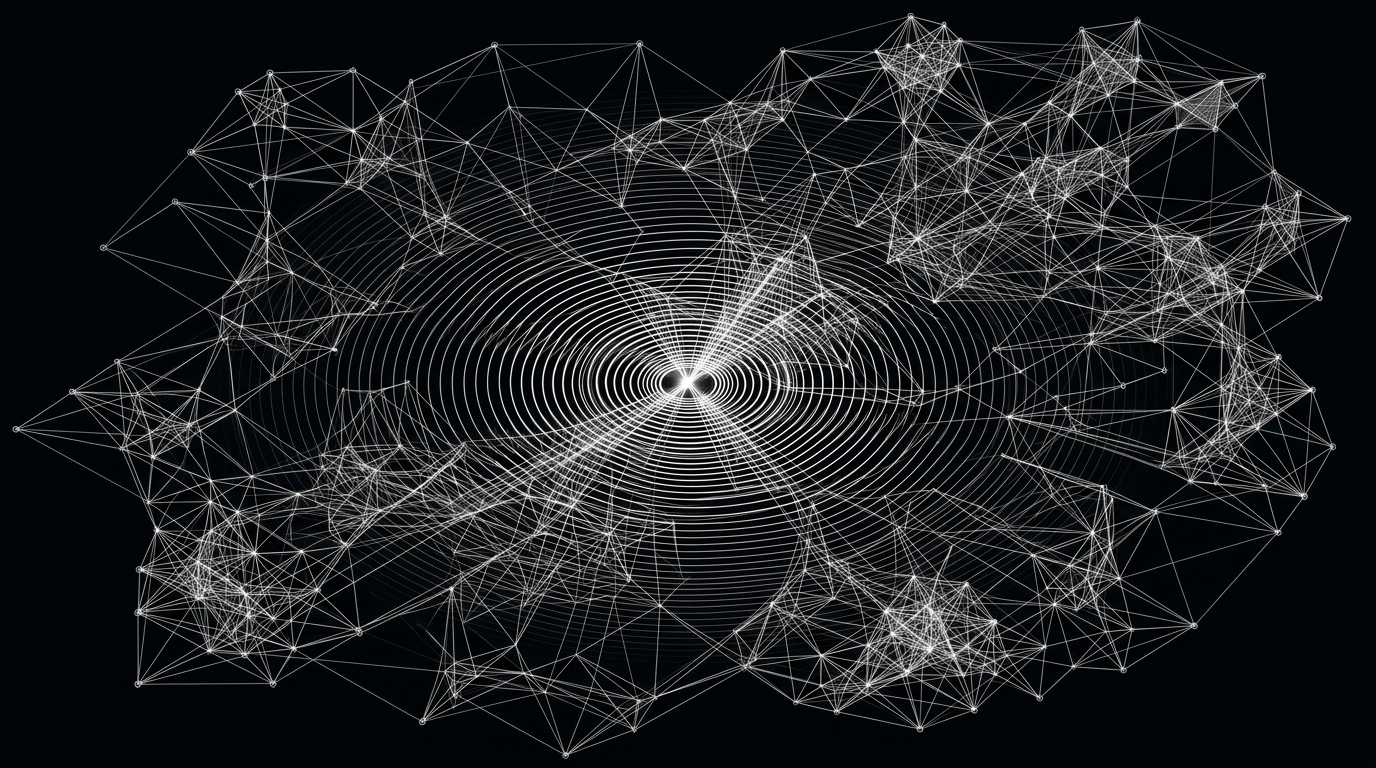
Traditional linters only evaluate one file at a time. To catch cross-module regressions, GitCaptain constructs an in-memory dependency graph spanning the entire repository.
When a file changes, GitCaptain maps every export to its upstream and downstream callers. We trace imports, call hierarchies, and interface contracts to calculate the exact blast radius of the proposed modification.
// Tracing cross-module dependency ripples across the repository
export interface BlastRadiusReport {
  modifiedSymbol: string;
  directCallers: string[];
  transitiveImpact: string[];
  riskSeverity: 'low' | 'moderate' | 'high' | 'critical';
}

export function computeBlastRadius(
  modifiedFile: string,
  symbolName: string,
  repoGraph: CodebaseGraph
): BlastRadiusReport {
  const callers = repoGraph.getDirectCallers(symbolName);
  const transitive = repoGraph.getTransitiveDependencies(callers);

  // Check if any legacy or unreviewed modules are affected
  const touchesLegacy = transitive.some(path => repoGraph.isLegacyModule(path));

  return {
    modifiedSymbol: symbolName,
    directCallers: callers,
    transitiveImpact: transitive,
    riskSeverity: touchesLegacy ? 'high' : 'moderate',
  };
}
What Human Reviewers Actually Need
Human engineers do not need automated bots to tell them that they added a console log or forgot a trailing comma—formatters and linters already handle that in local IDEs.
What reviewers desperately need is situational awareness: "Warning: Changing this parameter affects 3 unreviewed legacy modules in `/src/services/billing/`, which have not been updated in 8 months."
With this context available directly inside the GitHub pull request check run, reviewers can make informed architectural decisions instead of guessing.
Key Architectural Takeaways
- Isolated diff inspection creates a dangerous blind spot for cross-module side-effects.
- Full-codebase dependency graphs expose the true blast radius before merging.
- Legacy code paths that lack modern test coverage are highlighted automatically.
- Reviewers can focus on architecture and reliability rather than syntax trivia.
Read Next from Engineering
More deep dives on compilers, architecture, and code quality.
Why ASTs Beat Raw LLM Prompts for Code Review
Feeding raw files directly to generative models results in hallucinated warnings and token bloat. Here is how structured syntax trees deliver 10x faster reviews with deterministic accuracy.

Building an Ephemeral Code Review Pipeline with Zero Data Retention
A deep dive into how we isolate repository scans in temporary worker RAM and wipe all runtime state immediately after check runs conclude.